Growing Blauregen: Understanding Its Love for Light and Rain
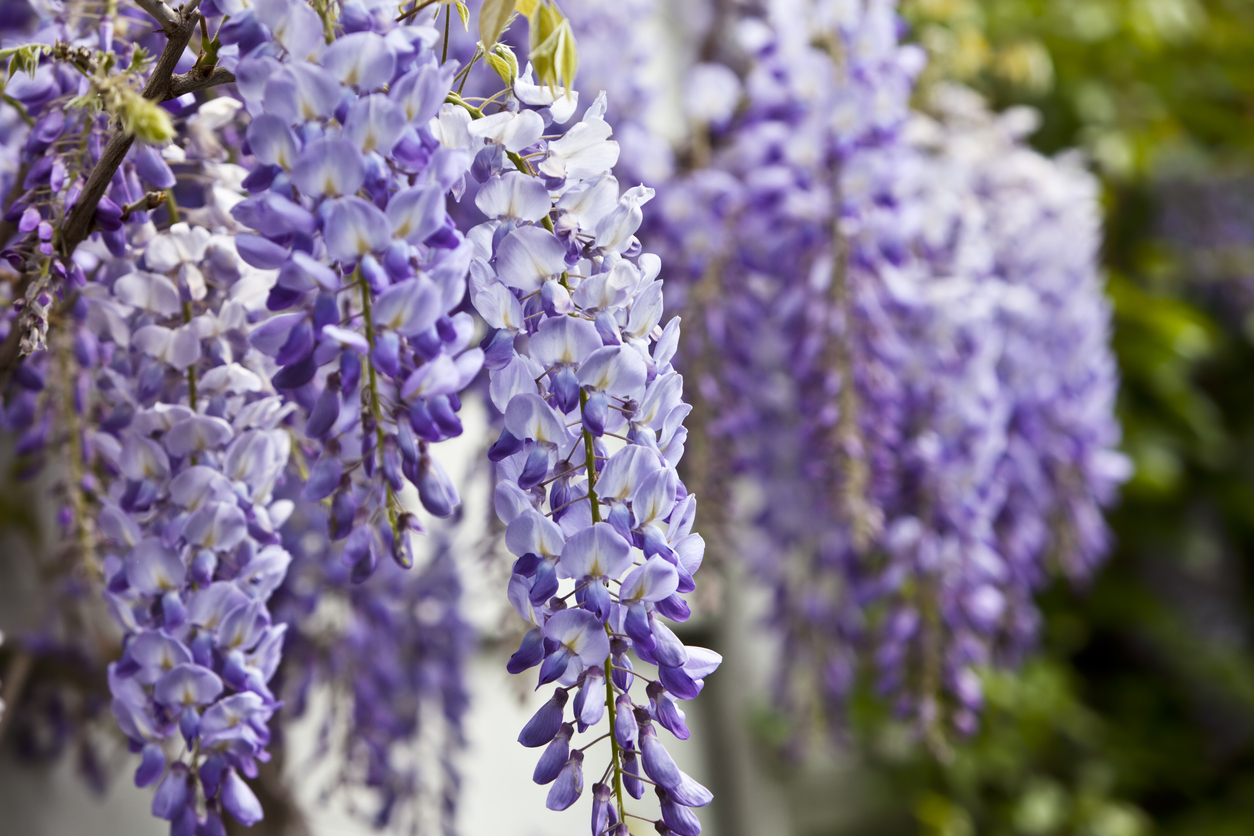
Few plants captivate the imagination quite like Blauregen, the enchanting climber known globally as Wisteria. Its cascades of fragrant, often blue or purple, blossoms transform gardens into ethereal landscapes, signalling the true arrival of spring. Yet, beneath its breathtaking beauty lies a powerful, almost poetic, drive for specific environmental conditions. As noted in the beautiful verse by Ingrid Herta Drewing, Blauregen possesses a distinct "Licht -und Regenliebe" – a profound affection for light and rain. Understanding and honouring these fundamental desires are key to cultivating a thriving, floriferous specimen that reaches for the sky, gracefully displaying its "blue blossoms."
This article delves into the heart of Blauregen care, exploring how its inherent need for ample sunlight and consistent moisture dictates its growth, flowering, and overall health. By embracing these core principles, gardeners can unlock the full potential of this magnificent plant, ensuring it performs its "airy green dance" with vigour and unparalleled floral display.
The Upward Dance: How Blauregen Embraces Structure and Sunlight
The poem vividly describes Blauregen's climbing ambition: "Es windet sich Blauregen empor an Daches Trauf; das Rohr kommt ihm gelegen auf seines Weges Lauf." This portrays the plant's innate tendency to wind itself upwards, using available structures like roof eaves or even drainage pipes as support. This "soft striving" and desire to reach great heights are not merely aesthetic; they are intrinsically linked to its "love for light."
Wisteria is a vigorous, twining vine that requires substantial support from day one. Without it, its heavy, woody stems would sprawl along the ground, limiting its access to the very light it craves. Common support structures include robust pergolas, arbours, sturdy trellises, or even strong walls with appropriate anchors. It's crucial that these structures are robust enough to bear the considerable weight of a mature Blauregen, which can become quite massive over time. The plant's tendency to wrap itself tightly around its supports means that structures must be chosen carefully to avoid girdling or damage as the vine thickens. This upward journey is expertly detailed in our related article, Blauregen's Upward Dance: How This Plant Masters the Climb, which provides further insights into managing its impressive ascent.
For Blauregen, sunlight is not just a preference; it's a prerequisite for its celebrated floral displays. The plant is a sun-worshipper, ideally requiring at least 6-8 hours of direct sunlight per day to produce its characteristic profusion of blue, purple, pink, or white flowers. Without adequate light, a Blauregen plant may grow lush foliage but produce very few, if any, blooms. This phenomenon is often a source of frustration for gardeners new to Wisteria, mistakenly believing their plant is not thriving. In reality, it's merely expressing its "Lichtliebe" through its reluctance to flower in the shade.
Maximising Light for Bountiful Blossoms
- Strategic Planting Location: When choosing a spot for your Blauregen, prioritise locations that receive full sun for the majority of the day. South or west-facing walls are often ideal, as they provide both structural support and maximum sun exposure.
- Avoid Over-Shading: Be mindful of nearby trees or tall structures that might cast shade on your Wisteria as they grow. Pruning surrounding vegetation can help ensure your Blauregen receives uninterrupted sunlight.
- Reflective Surfaces: In some cases, planting near light-coloured walls or reflective surfaces can subtly increase the light available to the plant, though this is secondary to direct sun exposure.
Understanding this strong affinity for light is fundamental. A well-lit Blauregen will exhibit vigorous growth, healthy foliage, and, most importantly, the breathtaking floral abundance that makes it a garden favourite. It is this unwavering pursuit of light that drives its impressive climbing prowess, allowing it to "hoist its blue blossoms" high above the ground.
Quenching Its Thirst: Blauregen's Affinity for Rain and Consistent Moisture
Complementing its profound love for light, Blauregen also possesses a deep "Regenliebe" – an appreciation for consistent moisture, mirroring the sustenance provided by natural rainfall. While mature Wisteria plants can exhibit a degree of drought tolerance once established, they truly thrive and perform best with a steady supply of water, especially during their active growing season and hot, dry periods.
Water plays a vital role in nutrient transport, photosynthesis, and maintaining turgor pressure within the plant's cells, all essential for robust growth and prolific flowering. For young Blauregen plants, consistent watering is absolutely critical to establish a strong root system. A weak root system will hinder the plant's ability to absorb water and nutrients efficiently, leading to stunted growth and reduced vigour.
Optimal Watering Practices for Your Blauregen
- Deep and Infrequent Watering: Rather than frequent, shallow watering, aim for deep watering sessions. This encourages the roots to grow deeper into the soil, making the plant more resilient to dry spells. Water thoroughly until the soil is moist several inches down.
- Monitor Soil Moisture: The best way to determine when to water is to check the soil. Stick your finger about 2-3 inches into the soil; if it feels dry, it's time to water. Avoid letting the soil become completely bone dry for extended periods, particularly when the plant is actively growing or blooming.
- During Dry Spells: Even established Blauregen will benefit from supplemental watering during prolonged periods without rain, especially if they are in full sun exposure. The combination of intense light and lack of natural rainfall can quickly stress the plant.
- Avoid Waterlogging: While it loves moisture, Blauregen does not tolerate soggy, waterlogged soil. This can lead to root rot, a serious condition that can kill the plant. Ensure your planting site has excellent drainage. If your soil is heavy clay, amending it with organic matter can significantly improve drainage.
- Mulching Benefits: Applying a 2-4 inch layer of organic mulch (such as wood chips or shredded bark) around the base of your Blauregen can be incredibly beneficial. Mulch helps to conserve soil moisture by reducing evaporation, regulate soil temperature, and suppress weeds that compete for water and nutrients. Keep the mulch a few inches away from the main stem to prevent rot.
By understanding Blauregen's "Regenliebe" and implementing thoughtful watering strategies, you provide the foundational moisture it needs to support its extensive growth and fuel the production of those stunning blue blossoms. It's a delicate balance, much like the "airy green dance" of its tendrils, ensuring the plant receives just what it needs to thrive without being overwhelmed.
Cultivating the Blue Bloom: Beyond Light and Rain
While light and rain are pivotal, successful Blauregen cultivation involves a holistic approach that extends to several other key aspects. These factors work in synergy with light and water to ensure robust health and magnificent floral displays. The transformation into a cascade of flowers is indeed a sight to behold, a topic beautifully explored in Blauregen: The Graceful Climber with Blue Blossoms.
Soil and Nutrition
Blauregen thrives in well-drained, fertile soil. A slightly acidic to neutral pH (6.0 to 7.0) is generally preferred. Before planting, enriching the soil with organic matter like compost or well-rotted manure can improve soil structure, fertility, and drainage – all crucial for healthy root development. While Wisteria doesn't typically require heavy feeding, a balanced, slow-release fertiliser in early spring can support vigorous growth. It's important to avoid fertilisers high in nitrogen, as this can promote leafy growth at the expense of flowers. Instead, opt for a fertiliser with a higher phosphorus content, which encourages blooming.
The Art of Pruning
Perhaps no other aspect of Blauregen care is as critical for prolific flowering as regular and strategic pruning. Without it, Wisteria can become an unruly mass of tangled vines, producing fewer flowers. The plant's "sanften Streben" to grow upwards is so strong that it needs guidance to channel its energy into bloom production rather than just vegetative growth. There are typically two main pruning times:
- Summer Pruning (July/August): This involves cutting back long, whippy green shoots to about 5-6 leaves from the main stem or framework. This redirects energy towards developing flower buds for the following year and keeps the plant tidy.
- Winter Pruning (January/February): Further shorten the summer-pruned shoots to 2-3 buds. This concentrates the plant's energy into these spurs, which are where the flower clusters will emerge. This seemingly drastic measure is precisely what encourages the stunning floral displays.
Pruning not only encourages flowering but also manages the plant's size and shape, ensuring it remains within its designated space and doesn't overwhelm its support structure or nearby architecture. It also improves air circulation, reducing the risk of fungal diseases.
Pest and Disease Management
Generally, Blauregen is a robust plant with good resistance to most pests and diseases. However, occasional issues can arise. Aphids might appear on new growth, and scale insects can sometimes be a problem. Fungal issues like powdery mildew can occur in humid conditions, especially if air circulation is poor. Regular inspection and prompt action, such as spraying with insecticidal soap or appropriate fungicides, can keep these issues in check. Maintaining overall plant health through proper light, water, and soil conditions is the best defence against most problems.
Practical Tips for a Thriving Blauregen
To summarise and provide actionable advice for cultivating your own magnificent Blauregen, consider these essential tips:
- Site Selection is Paramount: Choose a location that receives at least 6-8 hours of direct sunlight daily. This is the single most important factor for abundant flowering.
- Provide Sturdy Support: Install a robust pergola, arbour, or strong wall wires before planting. Wisteria is a powerful climber and will quickly outgrow flimsy supports.
- Prepare the Soil Well: Ensure well-drained, fertile soil. Amend heavy clay soils with organic matter to improve drainage and aeration.
- Water Consistently and Deeply: Especially during establishment and dry periods. Aim for deep watering that encourages extensive root growth, but never allow the soil to become waterlogged.
- Master Pruning: Commit to regular summer and winter pruning. This is non-negotiable for maximising flower production and managing growth.
- Mulch Annually: Apply an organic mulch layer to conserve moisture, regulate soil temperature, and suppress weeds.
- Be Patient: Blauregen can take a few years to establish and begin flowering profusely. Avoid over-fertilising with nitrogen during this time, and focus on good basic care.
Conclusion
The allure of Blauregen is undeniable, with its ability to transform an ordinary garden into a vision of beauty. Its poetic "love for light and rain" is not just a charming phrase but a fundamental truth of its existence. By understanding and diligently providing the ample sunshine that fuels its majestic blooms and the consistent moisture that sustains its vigorous climb, gardeners can orchestrate a symphony of growth and colour. From its initial "gentle striving" to its final triumph of "hoisting blue blossoms" high above, a well-cared-for Blauregen is a testament to nature's artistry and the rewarding partnership between plant and gardener. Embrace its needs, and your garden will be blessed with its ethereal beauty for decades to come.